Landscape Photography Tips for the Himalayas
Capturing the Scale of Giants
The Himalayas are perhaps the most photogenic mountains on Earth, but they are also the most challenging to shoot. The sheer scale can be overwhelming, making your photos look flat or small. To truly capture the majesty of the peaks, you need to think about composition, lighting, and gear protection.
Working with Light
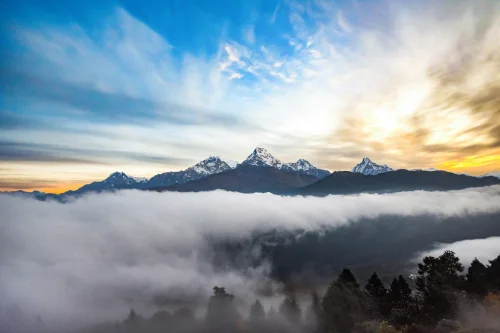
The "Golden Hour"—the first hour after sunrise and the last hour before sunset—is your best friend. In the mountains, this light is even more dramatic because of the shadows cast by the ridges. Use a tripod to keep your ISO low and your images sharp. During the middle of the day, the sun can be very harsh, blowing out the whites of the snow. Use a Circular Polarizer to cut glare and make the blue sky pop against the white peaks.
Compositional Techniques
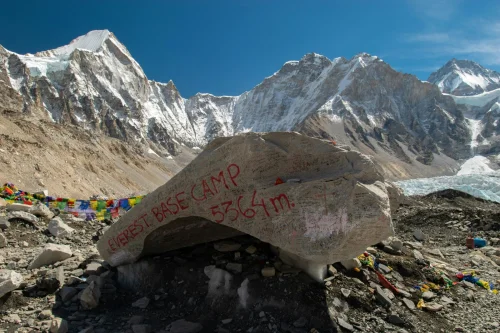
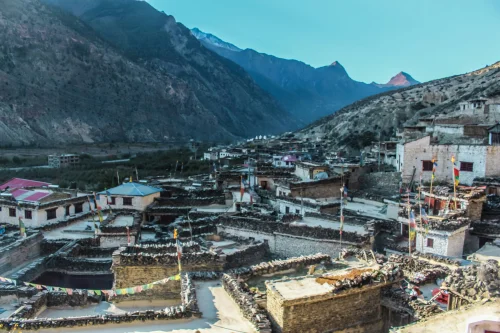
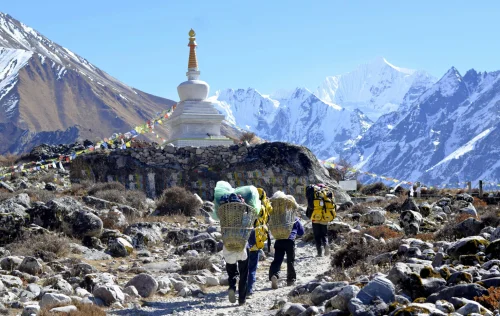
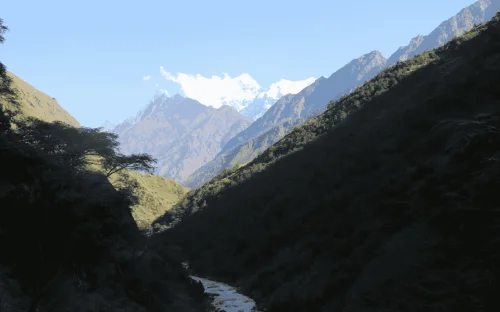
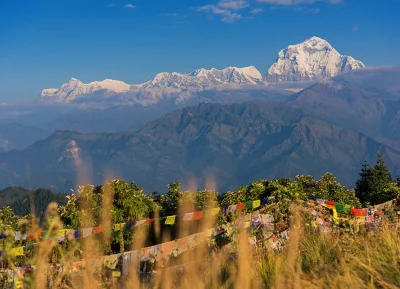
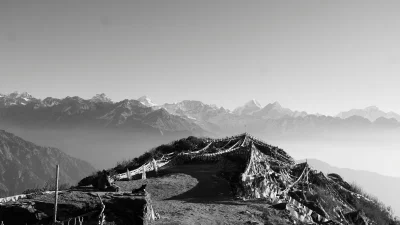
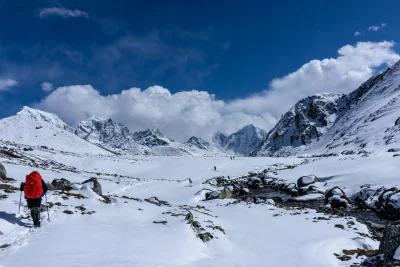
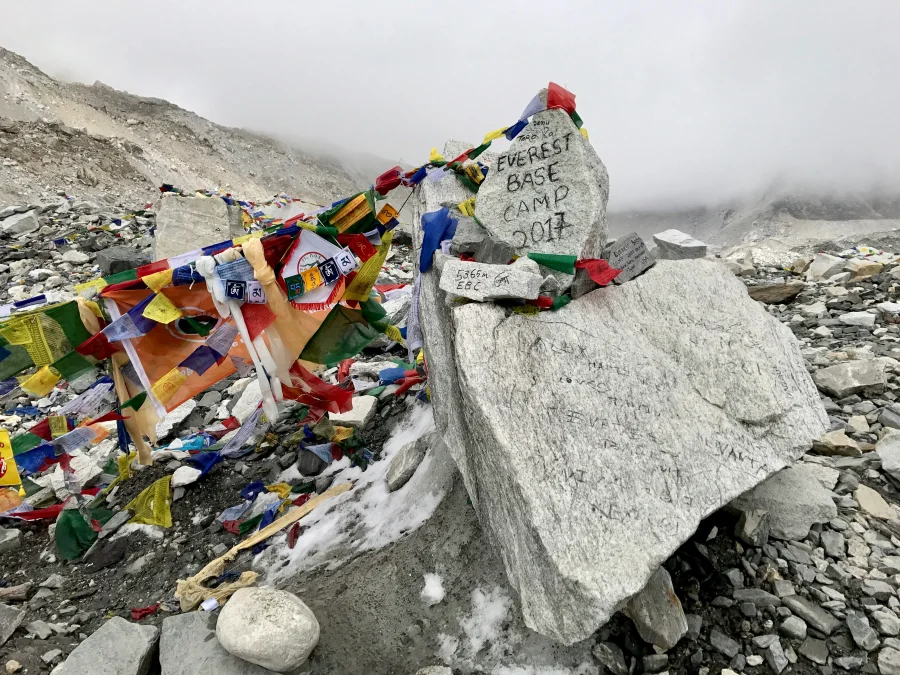
Don't just point your camera at the mountain. Find a "leading line"—a winding path, a river, or a row of prayer flags—to lead the viewer's eye into the frame. Including a human element, like a lone trekker or a yak caravan, provides a sense of scale. Without a person or a house for reference, it is hard for the viewer to realize that the mountain they are looking at is 8,000 meters high.
Gear Maintenance: Cold weather drains batteries incredibly fast. Keep your spare batteries in an inside pocket close to your body heat. Also, be careful when moving from the cold outdoors into a warm teahouse; condensation can form inside your lens. Place your camera in a sealed plastic bag before entering to let it warm up gradually. With patience and these techniques, you'll return home with a portfolio that does justice to the Royal Himalayan Footprint.